
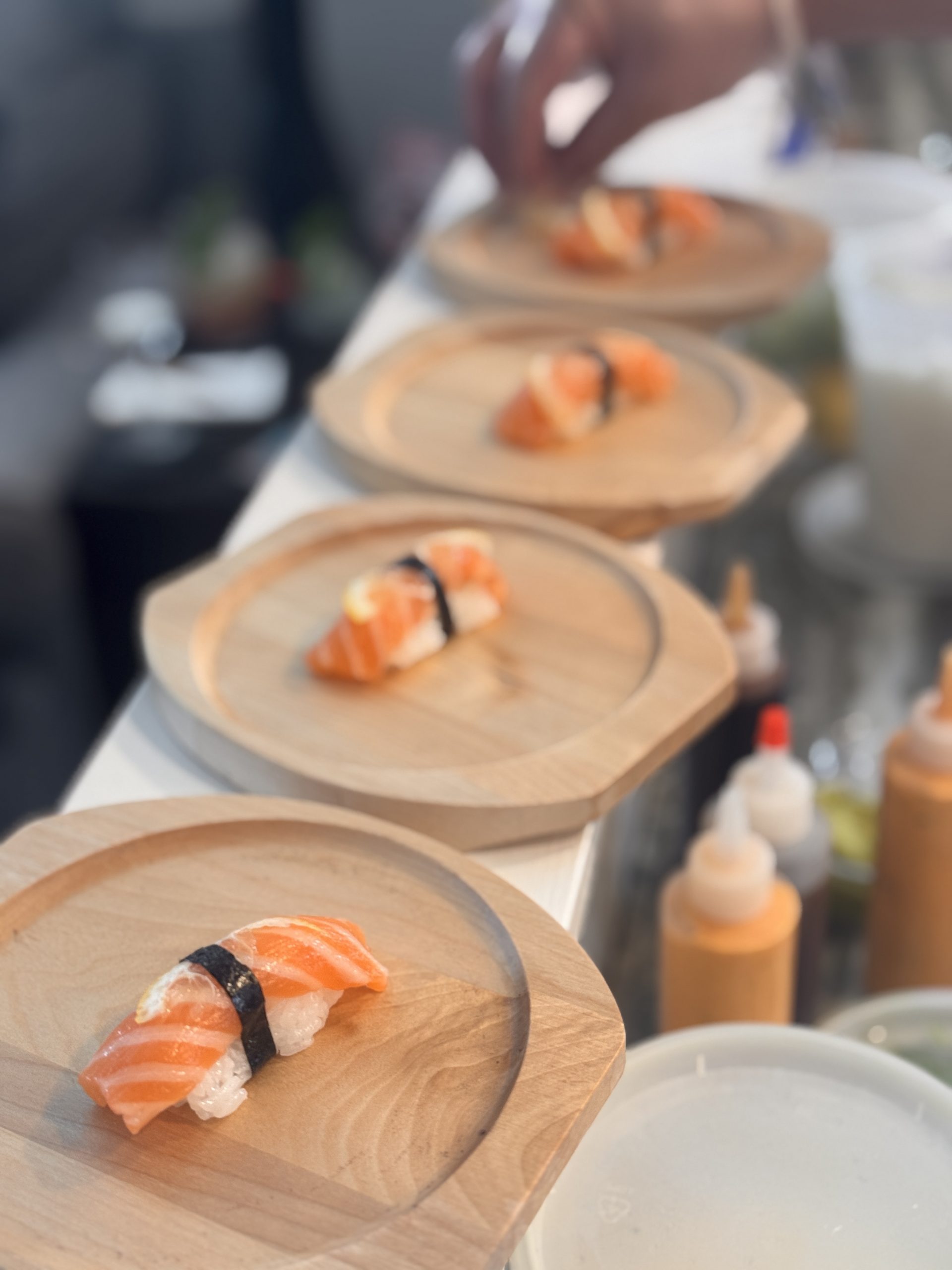
If you search for “athlete meal prep,” you’ll find thousands of nearly identical photos.
Rows of containers.
Chicken.
Rice.
Broccoli.
Prepared on Sunday, eaten until Friday.
There is nothing inherently wrong with that approach. For some athletes, it works well.
But for many, it’s also why meal prep becomes something they abandon after a few weeks.
Not because they’re undisciplined.
Because training isn’t repetitive, and nutrition shouldn’t be either.
A hard lifting day places different demands on your body than a recovery session. Tournament weekends don’t look like a normal week at home. Injury recovery requires different priorities than preparing for competition. Even your schedule outside of training—work, school, travel, family commitments—changes what eating well actually looks like.
The most effective athlete meal prep isn’t about preparing seven identical meals.
It’s about preparing for the week you’re actually going to have.
At Elevated Kitchen Experience, that’s how we approach meal prep for athletes. We don’t begin with a menu. We begin with the athlete.
Start With Your Training Calendar, Not Your Grocery List
One of the biggest shifts in sports nutrition over the past decade has been recognizing that nutrition should support training—not simply exist alongside it.
Sports nutrition organizations now encourage athletes to adjust their fueling based on workload. A long endurance session requires something different than a recovery day. Two training sessions in one day create different nutritional demands than an afternoon mobility workout.
That doesn’t mean every athlete needs to weigh food or count every gram.
It simply means your meal prep should start with your calendar.
Before deciding what to cook, ask yourself:
- Which days include my hardest training sessions?
- Which days will I have the least amount of time?
- Am I traveling this week?
- Do I have early morning practices?
- Is there a competition coming up?
- When am I most likely to skip a meal?
Those answers should shape the meals you prepare.
Don’t Build Every Day the Same
One mistake we see often is treating every day of the week as nutritionally identical.
In reality, your body doesn’t experience every day the same way.
A heavy training day may require meals that are more substantial and built around recovery.
A lighter recovery day may naturally feel different.
Travel days introduce different challenges altogether.
Building flexibility into your meal prep doesn’t make it less organized.
It makes it more realistic.
The Meals Athletes Skip Matter More Than the Meals They Plan
Ask most athletes about meal prep, and they’ll immediately start talking about dinner.
But dinner usually isn’t the meal that causes problems.
It’s breakfast before a 6:00 a.m. workout.
It’s lunch squeezed between meetings or classes.
It’s the recovery meal that gets delayed because practice ran late.
Those are the meals that quietly shape consistency over time.
Instead of asking:
“What should I cook this week?”
Ask:
“Which meals am I most likely to miss?”
Preparing for those moments often has a bigger impact than creating elaborate dinners every evening.
Recovery Is Easier When the Food Is Already Waiting
One of the most consistent findings in sports nutrition research is that recovery isn’t simply about what athletes eat—it’s also about when they’re able to eat.
After demanding training sessions, having carbohydrates and protein available helps support glycogen replenishment and muscle repair.
The challenge isn’t usually knowing that.
The challenge is execution.
You finish practice.
Drive home.
Shower.
Answer messages.
Then realize it’s been two hours and you still haven’t started dinner.
Meal prep removes that barrier.
Instead of asking your tired brain to cook from scratch, recovery simply becomes the next step in your routine.
Variety Is Part of Performance
Many athletes don’t stop meal prepping because they stop caring.
They stop because they’re bored.
Research into eating behavior has shown that food monotony can reduce satisfaction and make healthy routines more difficult to maintain over time.
Good meal prep isn’t repetitive.
It evolves.
Seasonal vegetables.
Different grains.
Rotating proteins.
New herbs.
Different cooking techniques.
Small changes keep meals interesting while still supporting consistent nutrition.
At Elevated Kitchen Experience, this is one reason we rarely think in terms of “meal prep containers.”
We think in terms of menus.
Food should still be something you enjoy looking forward to.
Travel Requires a Different Strategy
Travel is one of the fastest ways to disrupt good nutrition.
Airport terminals rarely offer meals designed for athletic recovery.
Tournament schedules change.
Hotel breakfasts are unpredictable.
Long competition days make regular meals difficult.
Rather than trying to force your normal routine into an abnormal week, build a separate plan for travel.
Portable breakfasts.
Recovery snacks.
Meals prepared before leaving.
Healthy dinners waiting when you return home.
The athletes who stay most consistent aren’t necessarily the most disciplined.
They’re usually the ones who plan for the weeks they know will be difficult.
One Athlete Doesn’t Mean One Menu
Many athletes don’t live alone.
They’re sharing meals with spouses, roommates, children, or family members who have completely different nutritional needs.
That creates a challenge.
How do you cook for an athlete training six days a week while also preparing meals everyone else actually wants to eat?
This is where personalization matters.
Instead of preparing completely separate dinners, thoughtful meal planning allows the core meal to remain the same while portions, sides, or accompaniments adapt to different needs.
It’s one of the biggest advantages of working with a chef rather than relying on generic meal prep services.
The menu is designed around your household—not around the average customer.
Dietary Restrictions Change the Conversation
For athletes managing gluten intolerance, dairy sensitivities, food allergies, or autoimmune conditions, meal prep requires another level of planning.
Finding enough calories is one challenge.
Finding enough calories that also support performance while avoiding problematic ingredients is another entirely.
This often becomes most noticeable during busy training weeks, when convenience foods aren’t always an option.
Personalized meal prep removes much of that uncertainty.
Meals can be built around the athlete’s specific dietary needs while still supporting recovery, performance, and enjoyment.
No compromises.
No separate meal.
Just food that works for the person eating it.
Great Meal Prep Should Feel Like Hospitality
One thing we’ve learned as chefs is that food isn’t only about nutrition.
It’s also about how it makes people feel.
A refrigerator filled with meals that are fresh, seasonal, and thoughtfully prepared feels different than a stack of containers you forced yourself to make on Sunday night.
The ingredients matter.
The presentation matters.
The variety matters.
Because consistency isn’t built through willpower.
It’s built by creating food you genuinely want to eat.
Meal Prep Should Support Your Life—Not Become Another Job
Athletes already spend enormous amounts of time thinking about performance.
Training plans evolve.
Recovery routines change.
Competition schedules shift throughout the year.
Your nutrition should be flexible enough to change alongside them.
At Elevated Kitchen Experience, we believe meal prep isn’t about preparing as much food as possible.
It’s about preparing the right food for the week ahead.
Meals that support your training.
Fit your schedule.
Accommodate dietary restrictions.
Reduce stress.
And allow you to spend less time thinking about what you’re going to eat and more time focusing on the work you’re putting into your sport.
Because the best athlete meal prep isn’t the one with the perfect macros on paper.
It’s the one that helps you consistently show up, recover well, and enjoy the process of getting there.
Leave a Reply