
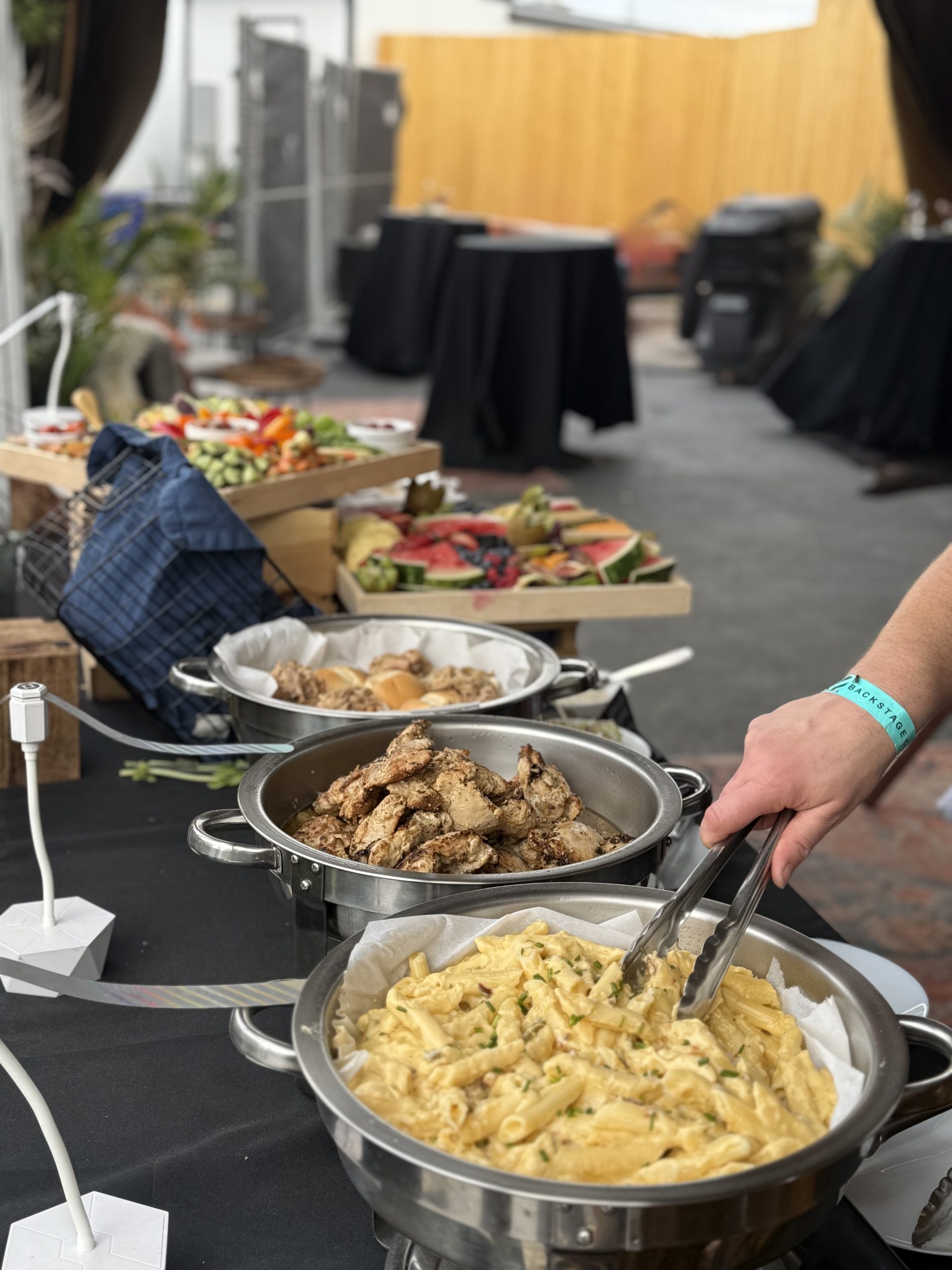
For many athletes, nutrition is part of the training plan.
Workouts are scheduled.
Recovery is intentional.
Sleep is protected.
Hydration is monitored.
Meals are planned around performance.
Now imagine trying to do all of that while also managing a gluten intolerance, dairy allergy, autoimmune condition, food allergy, or another dietary restriction.
Suddenly, eating becomes more than fuel.
It’s reading every ingredient label before practice.
It’s wondering whether there will be anything you can safely eat after a tournament.
It’s bringing your own meals because you aren’t sure what will be available.
It’s explaining your dietary needs over and over again to coaches, teammates, restaurants, and event organizers.
At Elevated Kitchen Experience, we’ve worked with athletes whose nutritional needs are just as unique as their training plans. One thing has become clear: dietary restrictions don’t have to prevent someone from performing at their highest level—but they do require a more thoughtful approach.
Performance Nutrition Is Never One-Size-Fits-All
One of the biggest misconceptions in sports nutrition is that every athlete should eat the same way.
Spend a few minutes online and you’ll find endless advice about protein intake, carbohydrate loading, supplements, and meal timing.
Some of it is excellent.
Some of it isn’t.
But almost all of it assumes athletes have unlimited flexibility in what they can eat.
Many don’t.
A marathon runner recovering from a long training run has very different nutritional needs than a strength athlete preparing for competition.
A collegiate soccer player balancing two daily training sessions has different energy demands than a golfer spending hours on the course.
Then add food allergies, digestive conditions, or dietary restrictions into the equation, and generic meal plans quickly stop making sense.
The best nutrition plan is one that’s built around the individual—not around trends.
“Just Eat Around It” Isn’t Helpful Advice
People usually mean well.
But athletes with dietary restrictions hear comments like these all the time:
“Can’t you just pick the cheese off?”
“One bite won’t hurt.”
“There’s probably only a little gluten in it.”
For someone managing celiac disease, food allergies, or certain autoimmune conditions, it rarely works that way.
Cross-contamination matters.
Ingredients matter.
Preparation methods matter.
Sometimes even small amounts of the wrong food can affect digestion, energy, inflammation, or recovery for days afterward.
When your body is your profession—or simply something you’re asking to perform at a high level—that consistency matters.
Team Meals Can Be Surprisingly Stressful
Food has always been part of sports culture.
Post-game dinners.
Training camps.
Travel weekends.
Award banquets.
Team celebrations.
Those moments help build relationships.
But they can also become one of the most difficult parts of competing for athletes with dietary restrictions.
Questions start running through your mind before you even arrive.
Will there be something I can actually eat?
Should I eat beforehand just in case?
Will I have to explain my diet again?
Will people think I’m being difficult?
These aren’t dramatic concerns.
They’re simply part of everyday life for many athletes.
Thoughtful planning from coaches, parents, hosts, and event organizers can make an enormous difference—not only nutritionally, but socially as well.
Recovery Starts Long Before the Protein Shake
Recovery has become one of the biggest conversations in modern athletics, and for good reason.
Research published by the Journal of the International Society of Sports Nutrition has shown that adequate recovery nutrition plays an important role in muscle repair, glycogen replenishment, and overall performance between training sessions.
But recovery isn’t just about drinking a protein shake after practice.
It’s about consistently eating enough quality food throughout the day.
Meals rich in lean proteins, complex carbohydrates, healthy fats, colorful fruits and vegetables, and anti-inflammatory ingredients all contribute to supporting recovery.
When dietary restrictions limit available options, meeting those nutritional needs often requires more planning—not less.
Under-Fueling Is More Common Than People Realize
One of the biggest challenges we see isn’t athletes eating the “wrong” foods.
It’s athletes not eating enough.
Sometimes there simply aren’t safe options available after practice.
Sometimes travel schedules interrupt meals.
Sometimes athletes settle for a snack because finding a complete meal feels too complicated.
Over time, those missed opportunities add up.
Low energy.
Slower recovery.
Difficulty maintaining muscle mass.
Reduced training quality.
Greater fatigue.
Food isn’t just fuel for today’s workout.
It’s preparation for tomorrow’s.
Tournament Weekends Change Everything
Travel introduces an entirely different set of challenges.
Airport food.
Hotel breakfasts.
Gas station snacks.
Restaurant menus.
Long competition days.
Even athletes who have excellent nutrition habits at home often struggle to maintain them while traveling.
One reason personalized meal preparation can be so valuable is that it removes much of that uncertainty.
Preparing travel-friendly meals ahead of time, planning recovery dinners after returning home, or stocking the refrigerator before a busy competition schedule helps athletes maintain consistency during the times they need it most.
Great Food Should Never Feel Like a Compromise
There is an assumption that dietary restrictions automatically mean giving up the joy of eating.
We don’t believe that.
Some of the most vibrant meals we’ve created have been entirely gluten-free.
Some of the most comforting have been dairy-free.
Some of the most flavorful have been built around anti-inflammatory ingredients or plant-forward nutrition.
The goal isn’t simply removing ingredients.
It’s creating food so thoughtfully prepared that the restriction becomes almost invisible.
Meals should still feel generous.
Beautiful.
Comforting.
Satisfying.
Athletes already ask a great deal of their bodies.
They shouldn’t have to settle for food that feels like an afterthought.
Parents Carry More Than the Training Schedule
For parents of young athletes, dietary restrictions often create another layer of planning on top of an already busy life.
Practice after school.
Weekend tournaments.
School lunches.
Recovery meals.
Travel.
Birthday parties.
Team dinners.
Every event requires another conversation about food.
Another plan.
Another backup option.
Many families don’t necessarily need someone to take over every meal.
They simply need support.
Personalized meal prep can ease some of that daily pressure while helping parents feel confident their athlete is consistently eating well, even during the busiest weeks.
Hospitality Means Everyone Belongs at the Table
One of the philosophies that guides our work at Elevated Kitchen Experience is that thoughtful hospitality isn’t about making separate meals.
It’s about creating menus where everyone feels included.
No athlete wants to feel like they’re eating something different while everyone else shares a meal.
No parent wants to worry that their child won’t have enough to eat.
The best hospitality anticipates those needs before anyone has to ask.
Whether we’re preparing meals for an athlete recovering from intense training, supporting a family navigating multiple dietary restrictions, or creating a private dining experience where every guest feels considered, our goal remains the same:
To make every person at the table feel cared for.
Food Should Support the Life You’re Building
Athletes spend years investing in their performance.
Hours in the gym.
Hours on the field.
Hours recovering.
Nutrition deserves that same level of intentionality.
Not because food has to be perfect.
But because it should support the work you’re already putting in.
At Elevated Kitchen Experience, we believe personalized meal prep and private chef services should do more than provide healthy food.
They should remove stress.
Create consistency.
Support recovery.
And allow athletes to spend less time worrying about what’s on their plate and more time focusing on the sport they love.
Because every athlete deserves food that’s built around their body, their goals, and the life they’re working so hard to create.
Leave a Reply